
Kiron's Robert Kowalski on building player loyalty in Alberta

Alberta's online gambling market is open. Now the real competition begins.
On 13 July 2026, Alberta became only the second Canadian province, after Ontario, to open its online gambling market to private operators. Several familiar sportsbook brands went live from day one, joining Play Alberta in the regulated market. More are expected to follow, which means the market Albertans see now is only the first version of what it will become.
Kiron Interactive is a supplier of virtual sports content designed for online and retail betting environments. CasinoCanada.com spoke with Robert Kowalski, Customer Success Manager, North America at Kiron, about what Alberta's launch means for players and operators, what the province can learn from Ontario, and how locally relevant content can help platforms retain attention between live sporting events.
What is the biggest change for Alberta players following the launch of the regulated market?
Robert Kowalski: The biggest change is choice.
Players now have access to multiple regulated operators competing across sportsbooks and online casinos. Many of the brands will already be familiar, but the way they operate in Alberta is different. Their products now sit within a local regulatory framework, with clear rules around player protection, verification, advertising and the types of betting markets they can offer.
The experience will still feel familiar in many ways, but not everything that was available through grey market platforms will carry across.
There are restrictions around certain betting markets, promotional activity, and product categories. That matters because regulation does not remove demand. Players who can no longer access a familiar product will look for something else, either within the licensed market or outside it.
What challenge does that create for licensed operators?
Robert Kowalski: It is not enough just to be available. The product must feel broad enough, relevant enough and easy enough to use that players choose to stay.
For operators, getting licensed is the beginning. The real work starts once the launch offers fade and players begin deciding which platforms are worth returning to.
What can Alberta learn from the development of Ontario's regulated market?
Robert Kowalski: Ontario opened its competitive online gambling market in April 2022. Big brands arrived early, but players did not move into the regulated market overnight. The shift happened gradually as operators improved their platforms, built trust and gave players more reasons to leave unregulated alternatives behind.
That is probably the most useful lesson for Alberta. A license creates access. It does not create loyalty. Product depth, usability, payments, customer service, and content relevance start to matter far more. Welcome offers might get a player through the door. They will not decide where that player is active six months later.
How can operators keep players engaged outside the biggest live sporting events?
Robert Kowalski: Sportsbooks naturally focus on major fixtures, but a player's session does not always begin and end with one live event.
People open apps throughout the day. Sometimes they check the score. Sometimes they look for a quick session before the next match starts. Sometimes the live calendar is simply quiet.
That space between events is where a sportsbook can either keep the experience moving or lose attention.
Virtual sports are useful here because they do not depend on a live schedule. They can run throughout the day, sessions are short, and the format is easy to understand. They are not there to replace live sport. They give operators something relevant to offer when there is no live event that suits the player in that moment.
Which virtual sports have a prominent role in the Canadian market?
Robert Kowalski: Football and racing have long dominated virtual sports, but the category is becoming more market specific.
For Canada, ice hockey is an obvious fit.
It is part of the country's sporting culture, widely understood by players and familiar across both digital and retail environments. Yet virtual hockey remains far less common than virtual football or racing.
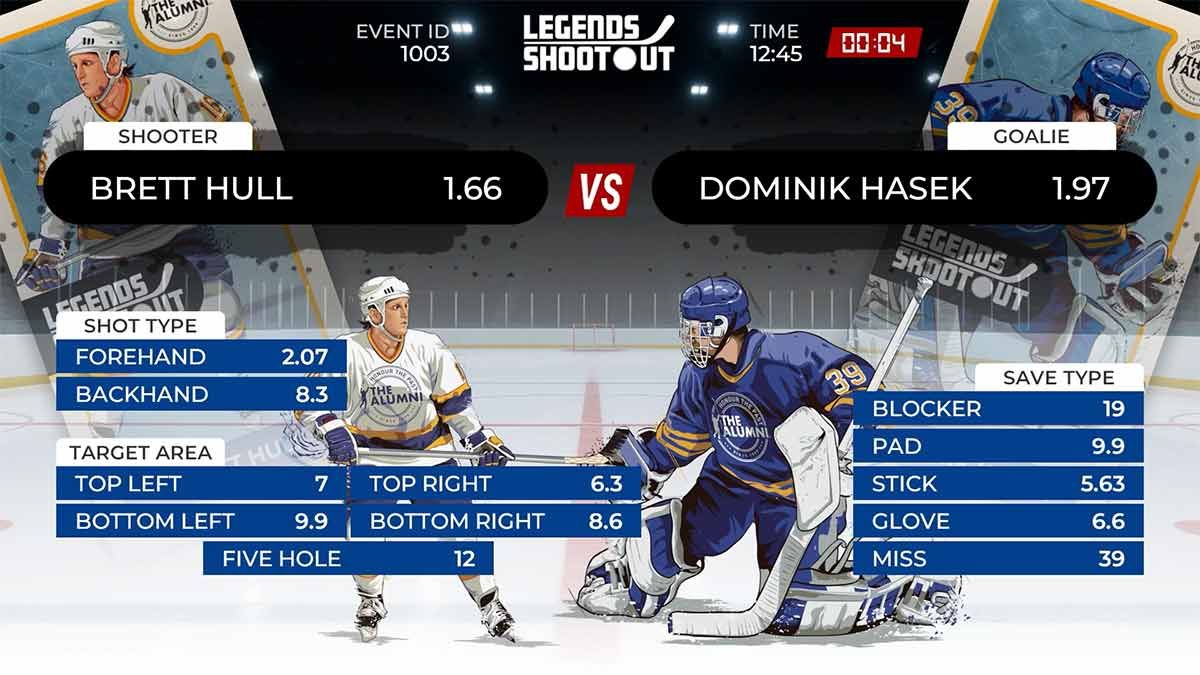
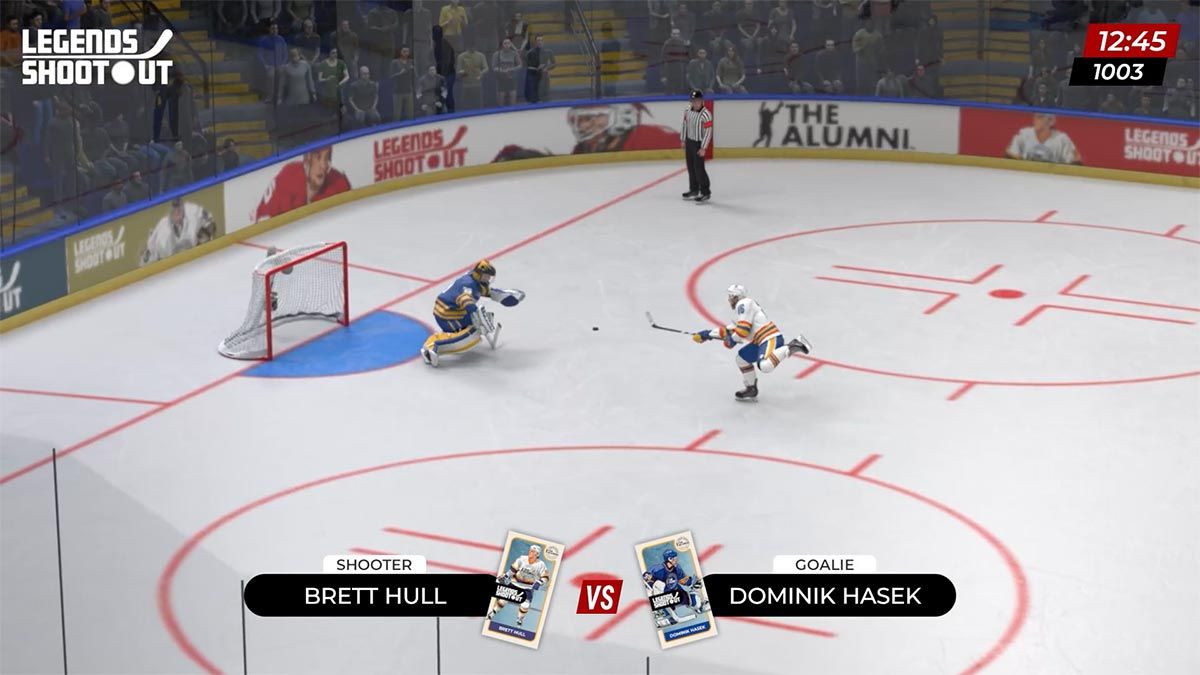
Kiron has recently added Legends Shootout, a new virtual ice hockey title designed for short sessions across online and retail channels.
The game is currently progressing through certification in Québec, with Alberta to follow, subject to the required testing and approval process.
Legends Shootout is not intended to replace live hockey or any market that Alberta has chosen to exclude. It gives operators another hockey-themed entertainment option that is available regardless of the live sporting calendar.
That is where the opportunity lies.
Why will locally relevant content become more important as Alberta's market develops?
Robert Kowalski: As more operators enter Alberta, broad catalogues will become standard. Relevant content will matter more. A game that reflects a local sporting interest and works across mobile, desktop and retail has a clearer role than one that simply adds volume.
Alberta has opened with strong operator participation, but the market will be shaped by what happens next. Operators need content that works around live sport, across digital and retail channels and reflects the interests of local audiences.
Hockey is central to the Canadian sporting experience, and we see a clear role for the Legends Shootout as operators broaden the entertainment available between live events.
What will ultimately determine whether Alberta's regulated market succeeds?
Robert Kowalski: Alberta will not be judged by how many operators launch in the first few months. It will be judged by whether players choose the regulated market and continue using it.
That depends on more than compliance. Operators need reliable platforms, relevant content and a product mix that works outside the biggest moments in the sporting calendar.
The same applies to suppliers. More content is not automatically better. The strongest products will be the ones that fit the market, serve a clear purpose and work wherever the player chooses to engage.
Ontario showed that regulated markets take time to settle.
Alberta is now entering that same phase, but with more competition from the start. The market is open. The harder part is giving players enough reason to stay.
Earlier, we discussed the province's launch with Dmitry Arabuli, Tonybet CEO, Alona Sereda, Playfina Partners Head of Affiliates, and Adam Pentecost, Gaming Corps CRO.
CasinoCanada thanks GameOn for facilitating this interview.