
Ontario and Alberta to present case for cross-border iGaming
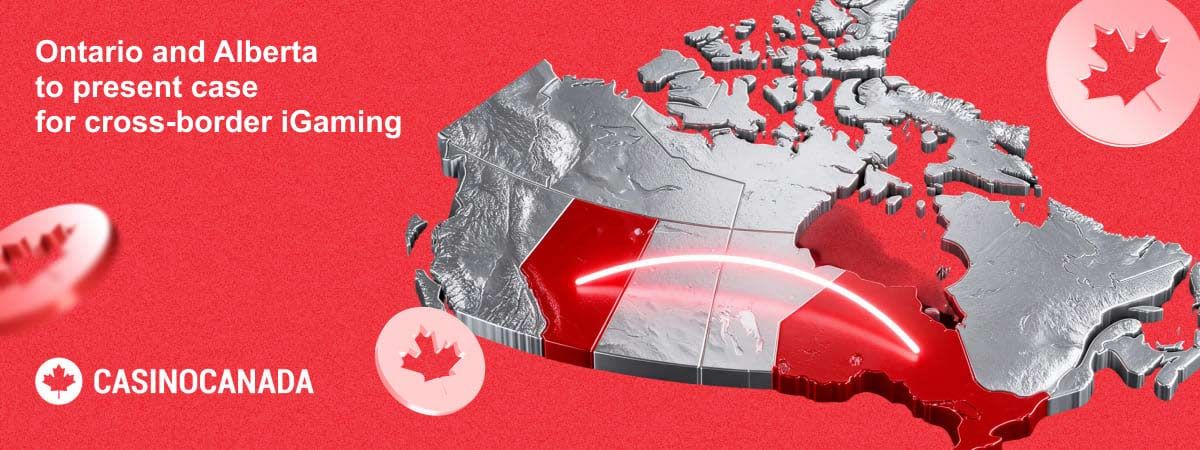
Ontario and Alberta are scheduled to argue their cases before the Supreme Court of Canada concerning whether Ontario can pool iGaming players for daily fantasy sports and online poker with non-Canadian jurisdictions.
The hearing is scheduled for October 7 and will involve oral arguments presented by various parties, including Alberta and Ontario attorneys general, the Canadian Gaming Association, Flutter Entertainment, and NSUS Group. The Court of Appeal already ruled in November 2025 that the practice is legal according to the Canadian Criminal Code; all parties expect the Supreme Court to uphold that ruling.
Stamping court of appeal ruling
Ontario, CGA, Flutter (FanDuel and PokerStars owner), and NSUS (GGPoker parent) were part of Ontario's original reference question filed in late 2024. Ontario sought to ask whether it could extend its play across borders, which would increase the potential for peer-to-peer games currently restricted to Ontario players.
The Ontario Court of Appeal ruled that such expansion would be legal, stating that the Criminal Code does not limit players to be physically present in Ontario as long as the province maintains control of the gaming activity.
The Atlantic Lottery Corporation, British Columbia Lottery Corporation, and Manitoba Liquor and Lotteries appealed the ruling to the Supreme Court, and Loto-Québec also joined the appeal in April.
According to the appellants, the Criminal Code should not allow cross-border play because that would allow gaming to take place outside the province, and Ontario would be conducting gaming outside the province. The Mohawk Council of Kahnawake in Québec was also against cross-border play but withdrew from the appeal in June.
What this means for Canadian gambling market
Industry commentator Allan Asava says:
“Alberta recently joined Ontario to become the second province in Canada with commercial online gambling markets. If the Supreme Court upholds the Ontario decision, it would open up the possibility for Ontario to connect with other jurisdictions for peer-to-peer play. The decision will also impact Alberta's growing iGaming market, as the province has expressed an interest in pooling its peer-to-peer gaming.
Alberta iGaming Corporation CEO Dan Keene confirmed that Alberta and Ontario were working on an agreement to share player pools. Such pooling will raise the competitiveness of poker and daily fantasy contests while increasing prize pools. The model already exists in the United States, and it's now up to the Supreme Court to determine whether this model is legal under Canadian law.
”